Getting into 3D printing can feel a bit overwhelming at first, but don’t worry. It’s like learning to ride a bike or bake your first cake. Once you get the hang of it, you’ll wonder what took you so long. Start with the basics—understanding your printer and what you’ll need to make it work.
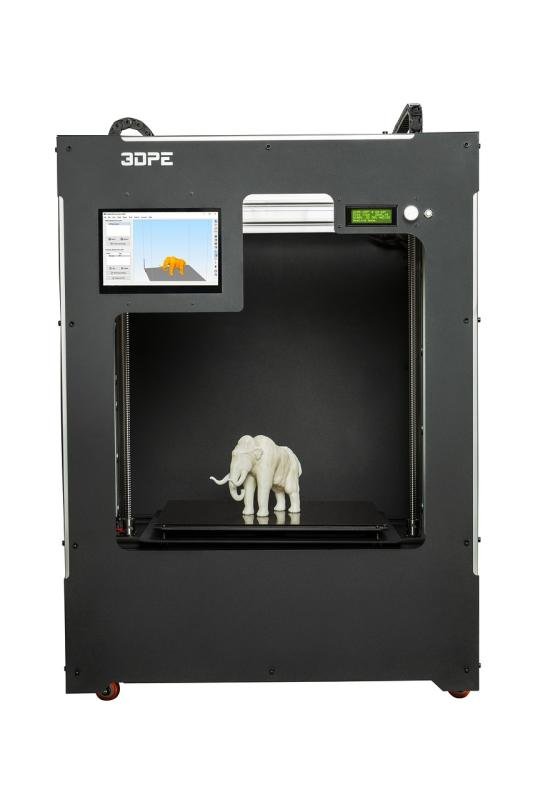
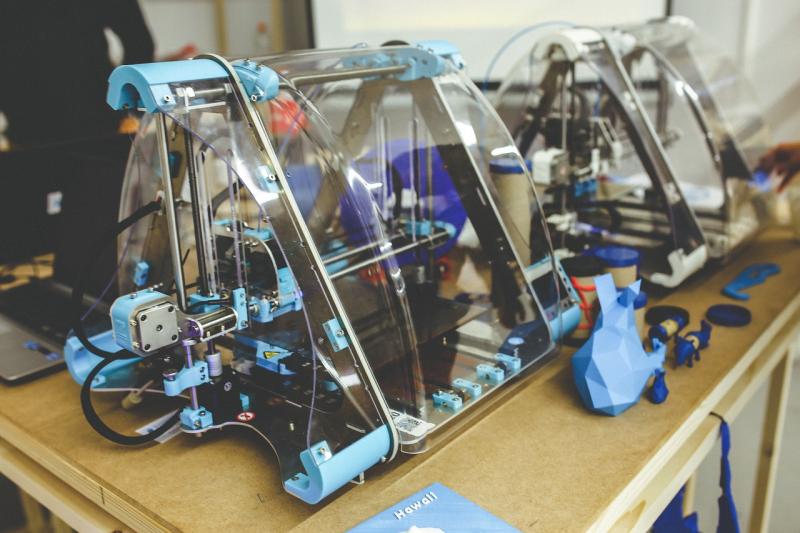
Your first step is choosing a printer. There are many options out there, from budget-friendly models to high-end machines. If you’re new, look for a user-friendly printer that offers decent print quality. A few popular choices are the Creality Ender 3 and the Anycubic i3 Mega. Check reviews and see which one fits your needs.
Next up, you’ll need some filament. PLA is usually a good starting point because it’s easy to work with and forgiving if you make mistakes. It’s also available in tons of colors. You’ll also want to grab a slicer software program, which turns your 3D model into something your printer can understand. Cura is a solid option and works great for beginners.
Once you have your printer, filament, and slicer ready, it’s time to dive in. Find some beginner-friendly models to print. Websites like Thingiverse and MyMiniFactory have loads of free designs you can try. Your first prints might not be perfect, but that’s part of the learning curve. Patience is key here, and every print teaches you something new.
Don't forget to join 3D printing communities online! Forums and social media groups are filled with helpful people who can offer advice, share tips, and showcase their own projects. Connecting with others makes the journey a lot more fun and takes the guesswork out of many challenges you might face.
Choosing the Right 3D Printer
Picking your first 3D printer can feel a bit overwhelming. There are so many options out there! But don't worry; I've got some tips to make it easier.
First, consider what you'll be printing. Are you into toys, models, or maybe even custom home decor? Different printers excel at different things. For basic projects, entry-level models like FDM (Fused Deposition Modeling) printers are great. They’re affordable and user-friendly, perfect for beginners.
Next up, check the build size. This is the maximum size the printer can work with. If you want to create larger pieces, make sure to choose a printer with a generous build area. Smaller printers are great for desk space, but they limit your creativity a bit!
Don’t forget about the printer’s materials. Some printers work only with certain filaments like PLA or ABS. If you want to experiment with different materials, look for a printer that's more versatile. That way, you can find the filaments that suit your projects best.
Lastly, think about the community and support. A printer with a big user base usually means more resources, tutorials, and forums where you can get help. That can save you a headache or two while you're learning the ropes of 3D printing!
Essential Filaments and Materials
PLA (Polylactic Acid)
PLA is the go-to filament for most beginners. It’s easy to print with, emits a sweet smell, and comes in tons of colors. Plus, it’s biodegradable, making it an eco-friendly choice. Just keep it away from high heat, as it can warp.
ABS (Acrylonitrile Butadiene Styrene)
If you want strength and durability, ABS might be your best bet. It’s used in everything from LEGOs to car parts. Just remember, it does require a heated bed and can emit strong odors, so good ventilation is crucial.
PETG (Polyethylene Terephthalate Glycol)
PETG gives you the strength of ABS but with the ease of PLA. It’s impact-resistant and has great layer adhesion. Plus, it’s food-safe when printed properly, making it a good option for kitchen tools and containers.
TPU (Thermoplastic Polyurethane)
Need something flexible? TPU is your answer. This filament is perfect for making phone cases or other items that need to bend. It can be a bit tricky to print, but the results are often worth the extra effort.
Basic Tips for Successful Prints
Getting the hang of 3D printing can feel like a challenge at first, but with a few basic tips, you'll be on your way to printing like a pro. Start with the right materials. Using good quality filament makes a huge difference in your print quality. Check if your printer prefers PLA or ABS and choose according to your project needs. PLA is usually easier and great for beginners, while ABS is more durable.
Next up, bed leveling is super important. A perfectly leveled print bed keeps your prints sticking properly. Spend a few extra minutes to do this before each print. If the first layer doesn’t adhere well, your print can fail, and no one wants that. Use a piece of paper or a leveling tool to help you get it just right.
Temperature settings matter too. Different filaments require different temperature settings for the nozzle and heated bed. Find the recommended settings for your filament and set your printer accordingly. It's always better to start a bit lower and then adjust if needed. It's easier to fix print issues when things are running cooler than to try and clean up a big mess!
Lastly, don’t forget to test your prints with smaller models first. This way, you can refine your settings and get comfortable with your printer without wasting a lot of filament. Tons of free resources are out there for testing models—just search online. Each successful print will boost your confidence and teach you something new!